Mumbai on a Budget: What Things Cost in 2026 and How to Save
Mumbai has a reputation as India’s most expensive city, and for hotels it deserves it. But almost everything else, from a vada pav to a train across the city, is still remarkably cheap, and the best things to do, the sea front, the old streets and the neighbourhoods, cost nothing at all. This guide puts real numbers on a budget trip: what things cost in 2026, three sample daily budgets, and the habits that keep costs down.
If you have come here from the question everyone asks, is ₹15,000 enough for three days?: yes, comfortably, if you stay in a hostel or a simple hotel and get around by train and metro. The breakdown is below.
What things cost
| Item | Typical price in 2026 |
|---|---|
| Hostel dorm bed | from about ₹600 |
| Simple guesthouse or budget hotel, double room | about ₹2,000 to ₹4,500, plus 5% tax |
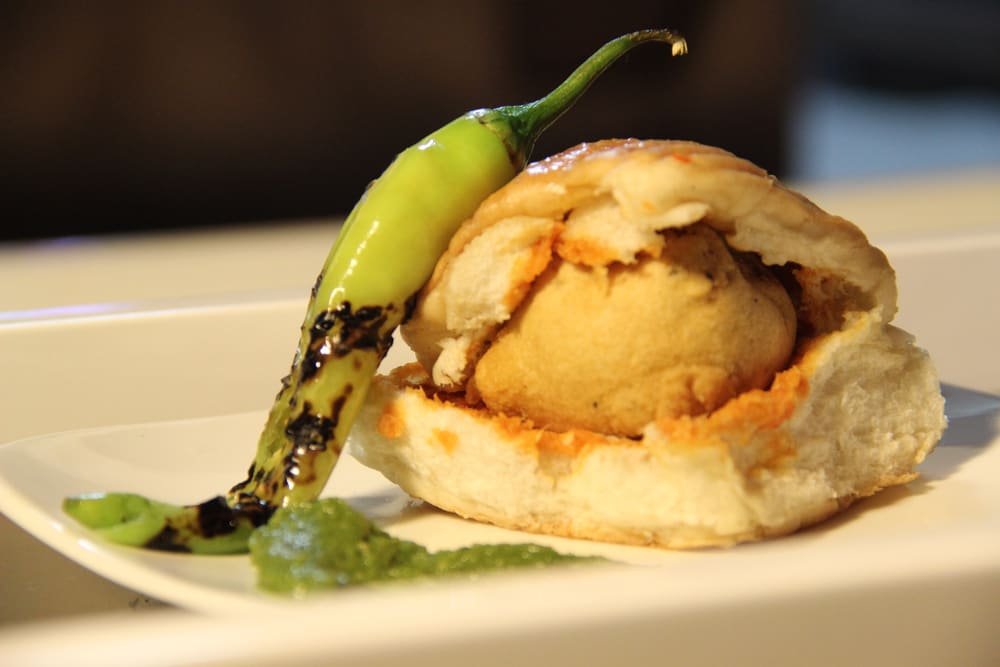
| Vada pav, or a plate of bhelpuri from a stall | ₹20 to ₹80 |
| Cutting chai | ₹10 to ₹20 |
| Breakfast at an Udupi or Irani cafe | about ₹100 to ₹250 |
| Thali at a canteen | ₹300 to ₹600 |
| Local train, second class | ₹5 to ₹30 |
| Metro Line 3 | ₹10 to ₹70 by distance |
| BEST bus | from ₹10, or ₹12 in an air-conditioned bus |
| Taxi or auto, minimum fare | ₹33 for a taxi, ₹27 for an auto (from 1 September 2026) |
| Taxi across South Mumbai | ₹100 to ₹200 |
| App cab from the main airport to Colaba | ₹600 to ₹1,000 |
| CSMVS museum | ₹200 for Indian adults, ₹100 for college students, ₹700 for foreign adults |
| Elephanta Caves | ferry about ₹260 return, plus cave entry |
Taxi and auto meters are being recalibrated for the September 2026 fares until the end of November; until then, drivers may charge from a printed fare chart, which they should show you.
Three sample budgets
Per person, per day, sharing a room where there are two of you.
Backpacker: about ₹1,500 to ₹2,500 a day. A hostel dorm bed; breakfast at an Irani cafe; street food and a thali; trains, metro and buses; one paid sight, or none. Three days: about ₹4,500 to ₹7,500.
Budget: about ₹3,500 to ₹5,500 a day. A simple hotel room shared by two; one sit-down meal a day at a good local restaurant; mostly trains and metro, with a cab or two in the evening; a museum and the Elephanta ferry. Three days: about ₹10,500 to ₹16,500, which is the “₹15,000 for three days” trip, done comfortably.
Comfortable: about ₹8,000 to ₹15,000 a day. A mid-range hotel; restaurants for most meals and a drink in the evening; cabs most of the time. Prices rise quickly from here, especially for hotels.
Add your journey to and from Mumbai, and add more in December and January, when hotel prices peak.
Where the money goes, and how to save it
Accommodation is the big cost. It will usually be half your budget or more. To keep it down:
- Hostels in Colaba, Bandra and Andheri are the cheapest way to stay somewhere central, and many have women-only dorms.
- Stay near a station. A cheaper room in Dadar or near a metro station, with the old city 20 minutes away by train, beats a room the same price that leaves you in cabs.
- Avoid the peak. November to February is the busy season; the monsoon months, July especially, are the cheapest, and business hotels are often cheaper at weekends than midweek.
- Check the total. Hotels under ₹7,500 a night add 5% tax, and booking sites do not always show it.
Our where-to-stay guide compares the areas.
Food is cheap if you eat where Mumbai eats. The city’s great food is mostly its cheapest:
- Breakfast at an Udupi cafe in Matunga, such as Ram Ashraya or Cafe Madras, or bun maska and chai at an Irani cafe like Cafe Excelsior in the Fort. Our Irani cafes guide lists more.
- Lunch at a thali place such as Golden Star Thali, or a plate of pav bhaji at Cannon Pav Bhaji near CSMT.
- Snacks from the street: vada pav, bhelpuri, sandwiches and kulfi. Our street food guide says where to start.
- Late and cheap: Free India Restaurant at Jacob Circle serves from 6 AM to midnight.
- Drink water from sealed bottles, and check the printed MRP (maximum retail price) on anything packaged: it is the most a shop is allowed to charge, and a litre of water should not cost much more than ₹20.
Transport can cost almost nothing. Trains, buses and the metro cost very little:
- Local trains are the fastest way north and south. Second class costs a few rupees; first class, about ten times as much, is worth it outside rush hour. Buy tickets on the RailOne app or at the counter, and avoid 8 to 11 AM and 5 to 9 PM.
- Metro Line 3 links the airport, BKC, Worli and the old city for ₹10 to ₹70, and it is the cheapest way to or from the main airport, until about 10:30 PM.
- Walk in the Fort, Colaba and Marine Drive, where everything is close together.
- Use autos for short hops in the suburbs, on the meter, and take app cabs only when the train or metro does not fit; book early in the rain, when prices surge.
Our getting-around guide has the details.
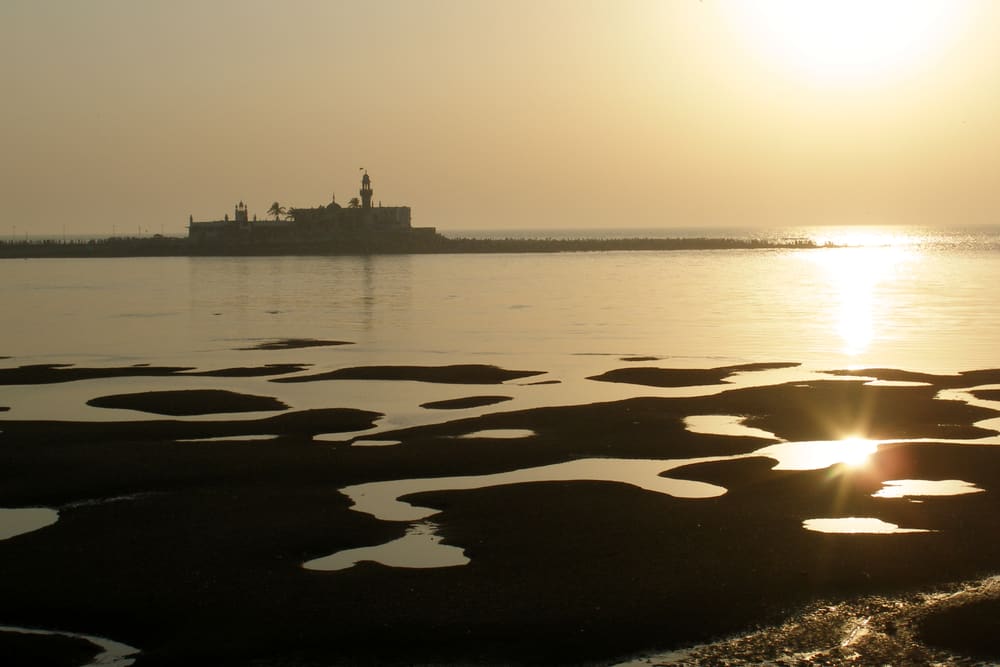
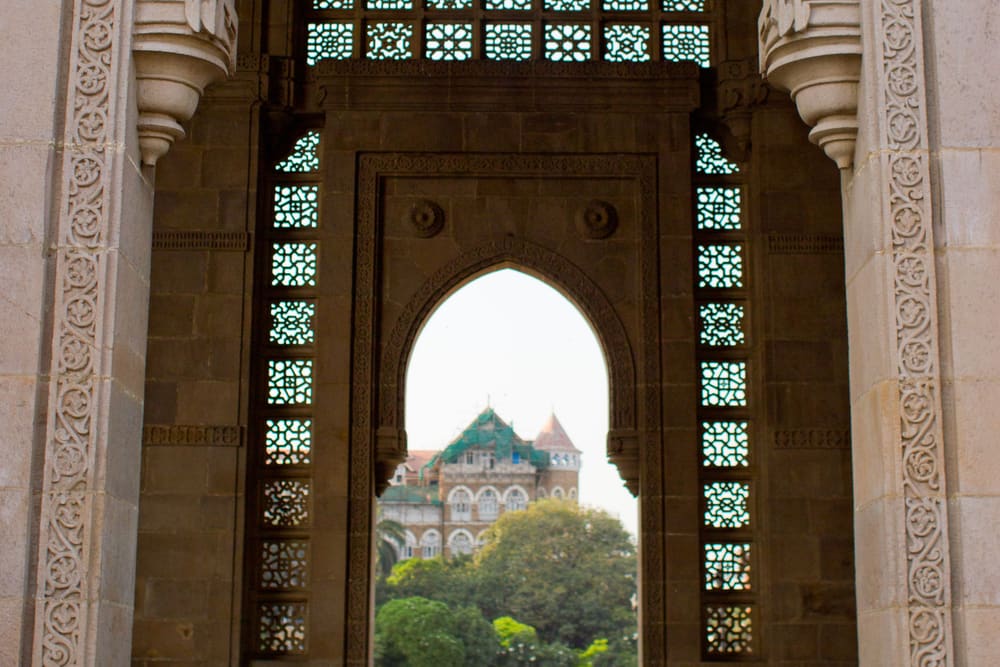
The best sights are free. Marine Drive, the Gateway of India, Colaba Causeway, the Victorian and Art Deco buildings of the Fort, Dhobi Ghat from the bridge, Haji Ali, Bandstand, Juhu Beach, the temples, the markets and the sunsets cost nothing. Our free things to do guide lists dozens more, and our neighbourhood guides, from Fort and Kala Ghoda to Bandra, are built around free walks.
Pay for a few things that are worth it: the CSMVS museum, the ferry to Elephanta, and a ride in first class on a local train.
A three-day budget plan
- Day one, the old city. Metro or train to Churchgate; walk the Fort, Kala Ghoda and Colaba; the CSMVS museum in the heat of the day; Marine Drive at sunset; dinner on Mohammed Ali Road or at Chowpatty.
- Day two, the harbour and the centre. The first ferry to Elephanta (closed on Mondays); afternoon at Crawford Market and the bazaars; Dhobi Ghat, Haji Ali and the Mahalaxmi Temple by train and on foot, following our Mahalaxmi guide.
- Day three, the suburbs. Breakfast in Matunga; the train to Bandra for the old villages, Bandstand and the street shopping; an evening at Juhu Beach or Carter Road.
Practical notes
- Carry small notes and set up UPI; our money guide explains how visitors can.
- Students with a college ID card pay half price at the CSMVS museum; elsewhere, it is worth asking at the counter.
- Bargain at street stalls, not in shops with printed prices; our shopping guide explains how.
Sources
- Free Press Journal on the September 2026 taxi and auto fare revision, 31 August 2026: https://www.freepressjournal.in/mumbai/mumbai-auto-taxi-fare-hike-minimum-fares-rise-to-27-for-autos-33-for-cabs-from-september-1
- Free Press Journal on BEST’s revised bus fares from May 2025: https://www.freepressjournal.in/mumbai/mumbai-news-best-doubles-minimum-bus-fares-from-may-9-non-ac-starts-at-10-ac-at-12-toll-and-pass-revisions-announced
- Wikipedia, Aqua Line (Mumbai Metro), for fares: https://en.wikipedia.org/wiki/Aqua_Line_(Mumbai_Metro)
- CSMVS, ticket prices from 1 May 2025: https://www.csmvs.in/visit-us.html
- TaxGuru on the GST rates for hotel rooms from 22 September 2025: https://taxguru.in/goods-and-service-tax/gst-rate-hotels-restaurants-effective-22nd-september-2025.html
- Kayak, Mumbai hotel prices by month: https://www.kayak.co.in/Mumbai-Hotels.31288.hotel.ksp
Header photo: Vada pav by Rutvi Mistry, CC BY-SA 4.0, via Wikimedia Commons.