Fort and Kala Ghoda: A Neighbourhood Guide (2026)
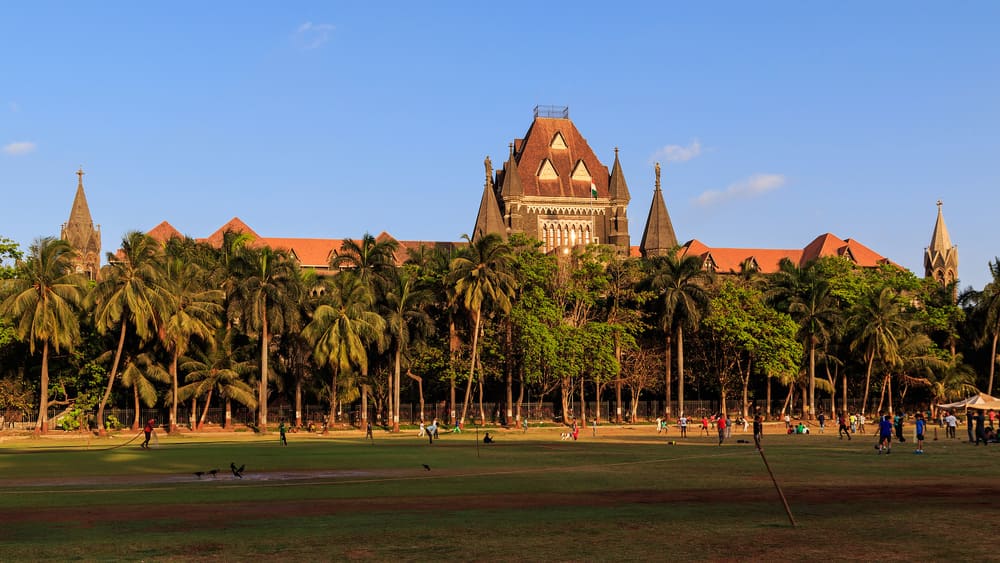
Fort is where Bombay began as a city. The name comes from the walls of the old British fortress, pulled down in the 1860s, and in the space they left the colonial government built one of the grandest Victorian Gothic streetscapes in Asia: a railway terminus like a cathedral, a university with a clock tower, law courts, banks and fountains. Across the Oval Maidan, a row of 1930s Art Deco apartment blocks answers it. Together they are a UNESCO World Heritage Site, listed in 2018 as the Victorian Gothic and Art Deco Ensembles of Mumbai.
Kala Ghoda, the art quarter at Fort’s southern edge, adds galleries, museums, a pale-blue synagogue and the city’s best concentration of restaurants within walking distance of each other. If you have one day in South Mumbai, spend most of it here.
The short version
- Getting there: CSMT on the Central and Harbour lines, or Churchgate on the Western line, both a short walk away. Metro Line 3 stops at CSMT, Hutatma Chowk and Churchgate.
- Time needed: Half a day for the walk below; a full day with the museum and a long lunch
- Best time: Sunday morning, when the offices are shut and the streets are empty. Weekdays for the CSMT heritage tour and the galleries.
- Good to know: Almost everything is within a 20-minute walk. Wear comfortable shoes and carry water.
A walk through Fort and Kala Ghoda
This route runs north to south and takes about three hours at a relaxed pace, longer with the museum.
- Chhatrapati Shivaji Maharaj Terminus. Start at the station F. W. Stevens finished in 1887, the high point of Bombay Gothic and a World Heritage Site in its own right. The best view of the facade is from the traffic island opposite the main entrance. Inside, the Heritage Gallery runs guided tours on weekday afternoons. Across the road, the municipal headquarters is a Gothic rival.
- Breakfast on the way. Cafe Excelsior, a century-old Irani cafe about five minutes from CSMT, does kheema pav and bun maska. Yazdani Bakery, behind St Thomas Cathedral, is the place for bread straight from the oven, though it closed for renovation on 29 September 2026, so check it has reopened before you go.
- Flora Fountain and Hutatma Chowk. The Roman goddess of spring stands where the fort’s Churchgate once was, alongside the memorial to those killed in the 1960 campaign for the state of Maharashtra. The banks and offices around it are from the building boom of the 1860s.
- St Thomas Cathedral. The oldest church in Mumbai, begun in 1676 and consecrated on Christmas Day 1718. Inside, the marble memorials to soldiers and officials are a quiet history of the British in western India.
- Horniman Circle. A round garden ringed by arcaded bank buildings, and on its east side the Town Hall, home of the Asiatic Society of Mumbai, whose broad steps are one of the city’s best-known sights. The society traces its history to 1804.
- Kala Ghoda. The “black horse” of the name was an equestrian statue of Edward VII, removed after independence; a riderless black horse now stands in its place. Around it are the David Sassoon Library and Reading Room, the Jehangir Art Gallery, free to enter with new shows most weeks, and the pale-blue Knesset Eliyahoo Synagogue, completed in 1884. The synagogue admits visitors at set times, with photo ID and a fee; check before you go, and note that it closes to visitors for the Sabbath.
- CSMVS. The former Prince of Wales Museum, in gardens at the south end of Kala Ghoda, holds some 50,000 objects, with an outstanding run of miniature paintings. Allow at least two hours. The audio guide is included with the foreign visitor’s ticket.
- The Oval Maidan. Finish at the long green where cricket is played almost every day. On its east side are the Victorian Gothic buildings, including the Bombay High Court and the 85-metre Rajabai Clock Tower of the University of Mumbai; on its west side, the Art Deco apartment blocks of the 1930s. Standing in the middle, with one style on each side, is the best way to understand why UNESCO listed them together.
From the Oval, Churchgate station is five minutes north, and Marine Drive is ten minutes west for sunset.
Where to eat
Fort has more good restaurants within walking distance of each other than anywhere else in the city.
- Seafood: Trishna in Kala Ghoda, famous for its butter garlic crab, and Mahesh Lunch Home, the Mangalorean seafood restaurant that has been open since 1977.
- Irani and Parsi: Cafe Military for berry pulav and a beer, plus Cafe Excelsior and Yazdani above. Our guide to Irani cafes in Mumbai has the full list.
- A special meal: Ekaa, a tasting-menu restaurant led by chef Niyati Rao, and Americano, a small, much-booked Italian place in Kala Ghoda.
- Cheap and quick: ANNA Idli for South Indian breakfast, Cannon Pav Bhaji opposite CSMT, and Farhang for Mughlai food at old prices.
See every restaurant we list in the area on our Fort restaurants page.
Shopping
The pavements of Fort have long been lined with second-hand booksellers, especially around Flora Fountain, and the design stores and boutiques of Kala Ghoda sit in the lanes off Rampart Row (K. Dubash Marg). For fixed-price crafts and textiles, the government emporiums are a short walk south in Colaba. Crawford Market, about ten minutes’ walk north of CSMT, is the old market for fruit, spices and household goods.
The Kala Ghoda Arts Festival
For nine days every February, from the first Saturday to the second Sunday of the month, the Kala Ghoda Arts Festival takes over the streets with installations, music, theatre, talks, workshops and food stalls, most of them free. If it follows its usual pattern, the 2027 festival will run from Saturday 6 to Sunday 14 February. It is the best week of the year to be in the area, and the most crowded; go on weekdays if you can.
Practical notes
- Sunday is different. Most offices, banks and many shops close, which makes the streets beautiful to walk and photograph. Some restaurants also close or open late, so check before you set out.
- Heat. The walk has little shade. Start early, and use the museum and the cafes as cool breaks.
- Photography. The buildings are fine to photograph from the street. Do not photograph inside the High Court, government buildings or anything guarded.
- Getting on. From Kala Ghoda, Colaba and the Gateway of India are ten minutes’ walk south.
Sources
- Wikipedia, Victorian Gothic and Art Deco Ensembles of Mumbai: https://en.wikipedia.org/wiki/Victorian_Gothic_and_Art_Deco_Ensembles_of_Mumbai
- Wikipedia, St Thomas Cathedral, Mumbai: https://en.wikipedia.org/wiki/St._Thomas_Cathedral,_Mumbai
- Wikipedia, Knesset Eliyahoo Synagogue: https://en.wikipedia.org/wiki/Knesset_Eliyahoo_Synagogue
- Wikipedia, Asiatic Society of Mumbai: https://en.wikipedia.org/wiki/The_Asiatic_Society_of_Mumbai
- Wikipedia, Kala Ghoda Arts Festival: https://en.wikipedia.org/wiki/Kala_Ghoda_Arts_Festival
Header photo: Bombay High Court across the Oval Maidan by A.Savin, Free Art License, via Wikimedia Commons.