When to Visit Mumbai: Weather, Monsoon and the Festival Calendar
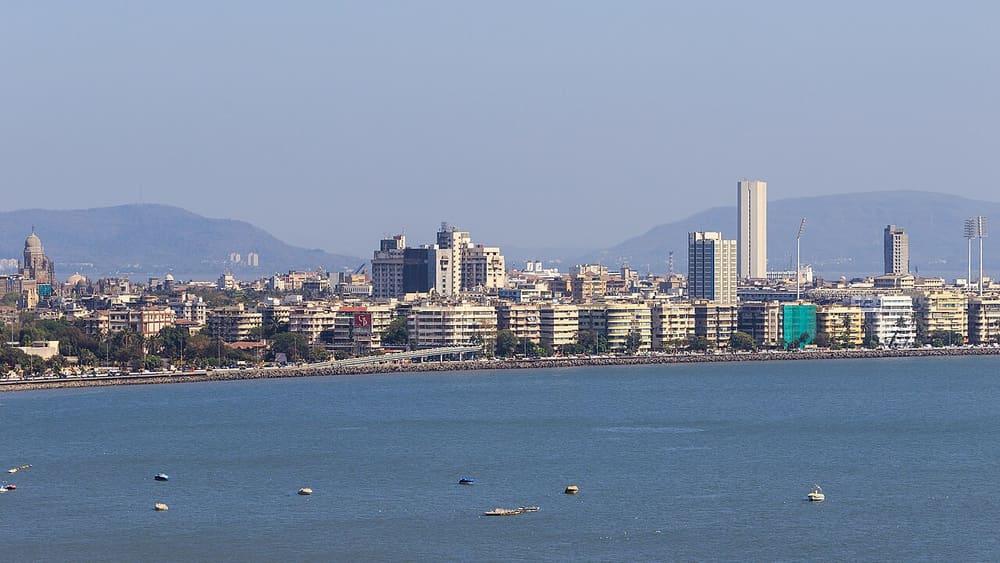
Mumbai sits on the Arabian Sea just north of the tropics, which means it is never cold and almost never dry. The year divides into three: a genuinely pleasant winter from November to February, a hot and humid stretch from March to May, and the monsoon from June to September. Each has a character, and one of them is the obvious answer.
November to February: the season
Daytime highs of 28–32°C, nights around 18–22°C, low humidity and almost no rain. This is when the city is easiest to walk, when Marine Drive at sunset is perfect rather than merely spectacular, and when every event organiser in Mumbai schedules their festival. It is also peak season for hotels; book ahead for December and January. If you can only choose one window, choose this.
December brings Christmas in Bandra, when the old Catholic villages string lights across their lanes, and New Year’s Eve on Marine Drive. January has the Mumbai Marathon on the third Sunday, closing the sea link and Marine Drive to traffic for a morning. February is the Kala Ghoda Arts Festival, nine days of installations, performances and street food in the art district, usually over the first two weekends.
March to May: the heat
Temperatures climb into the mid-30s and, more to the point, humidity climbs with them. Afternoons are for museums, malls and long lunches; mornings and evenings are still fine outdoors. Holi falls in March, a day when the city throws coloured powder at itself. Join in, but wear clothes you can throw away. April and May are Alphonso mango season, which is reason enough for some people; Crawford Market is where to find them. Hotel prices soften, and the city is less crowded with visitors.
June to September: the monsoon
The rains arrive in the second week of June, usually with a day or two of theatre, and stay until late September. July is the wettest month; Mumbai receives more than two metres of rain a year and a good share of it falls in a few dramatic weeks. Streets flood, trains stop, and on the worst days the city simply pauses.
And yet the monsoon has devotees. The waves at Marine Drive and Worli Sea Face crash over the wall at high tide and people come specially to stand in the spray. The national park turns green and its waterfalls run. Cafés fill with people watching rain. If you visit now, pack for it: a real umbrella, shoes that can get wet and a dry bag for your phone. Keep your plans loose, and don’t schedule anything important on a day the forecast says “heavy”.
Ganesh Chaturthi falls in late August or September and is the city’s great festival: ten days of neighbourhood pandals housing idols of Lord Ganesh, ending with immersion processions to the sea. Girgaon Chowpatty on the final day, Anant Chaturdashi, draws hundreds of thousands. It is loud, crowded, joyful and unlike anything else in India. The Bandra Fair at Mount Mary follows in the week after 8 September.
October: the in-between
The rain stops but the humidity lingers; October is often the stickiest month. Navratri brings nine nights of garba dancing and five days of Durga Puja, from 11 to 20 October in 2026. Diwali, in October or November depending on the year, lights the whole city and fills it with sweets; in 2026 the main night, Laxmi Pujan, is Sunday 8 November. By the end of October the air clears and the season begins again.
Month by month
| Month | Weather | Worth knowing |
|---|---|---|
| January | Cool, dry, ideal | Mumbai Marathon; peak hotel rates |
| February | Cool, dry, ideal | Kala Ghoda Arts Festival |
| March | Warming up | Holi |
| April | Hot, humid | Alphonso mangoes begin |
| May | Hottest | Mangoes at their best; low hotel rates |
| June | Monsoon arrives | Dramatic first rains mid-month |
| July | Wettest | Expect disruption; waves on the sea wall |
| August | Wet | Ganesh Chaturthi (some years) |
| September | Rain easing | Ganesh Chaturthi, Bandra Fair |
| October | Humid, clearing | Navratri, Diwali (some years) |
| November | Pleasant | Diwali (some years); season begins |
| December | Ideal | Christmas in Bandra; New Year on Marine Drive |
A note on Sundays
Whatever the month, Sunday morning is the best time to see South Mumbai. The Fort’s streets empty, the Victorian buildings get their stage back, and you can photograph CSMT without a taxi in the frame. Plan the heritage walk for then.