Wedding Shopping in Mumbai: Saris, Lehengas, Sherwanis, Jewellery and Rentals
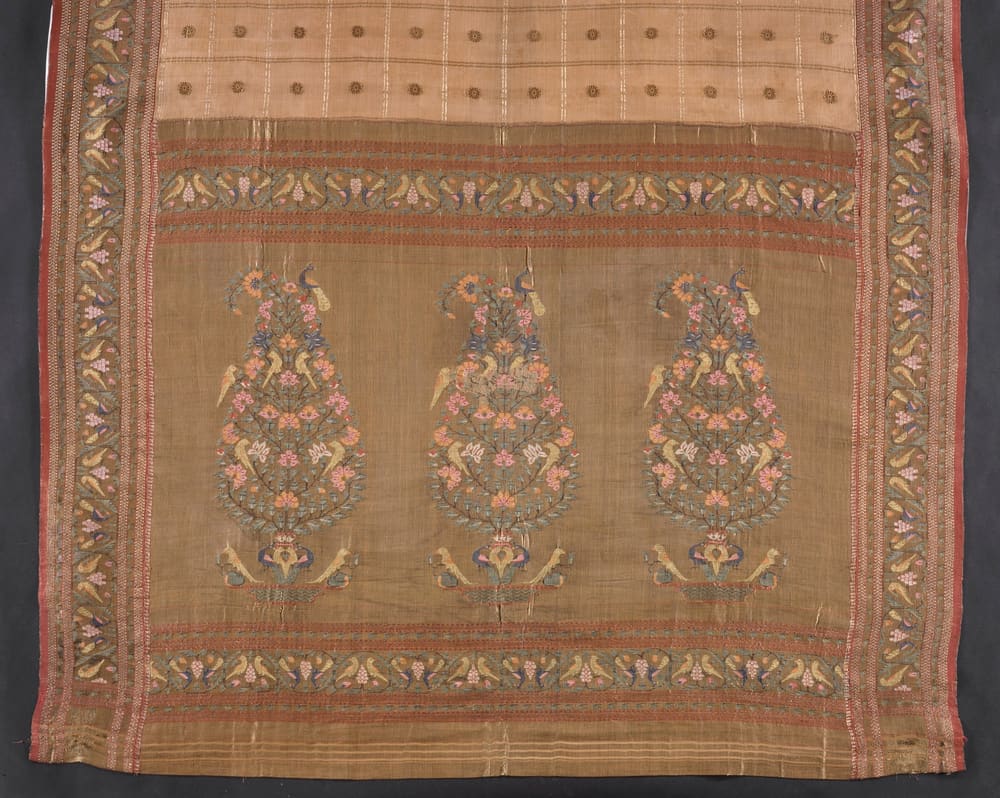
Mumbai is one of the best cities in India to shop for a wedding. Families travel here from all over the country, and from abroad, for its saris, lehengas, sherwanis, fabrics and jewellery, because the old bazaars sell at wholesale prices and the city has every level of shop, from a fabric stall to a designer flagship. It can also be overwhelming. This guide is for the couple, their families and the guests: where to go for what, rough budgets, how much time to allow, and the practical things that catch people out.
The short version
- Bridal saris: the Queens Road shops at Marine Lines, and Dadar West.
- Lehengas and Indian wear at good prices: Hindmata Market in Dadar East, and Kalbadevi.
- Fabric for custom outfits: Mangaldas Market, behind Crawford Market.
- Sherwanis: Kalbadevi Road and Dadar, or the chain stores and boutiques of the suburbs.
- Gold and diamond jewellery: Zaveri Bazaar. Imitation bridal jewellery: Natraj Market, Malad.
- White wedding gowns and reception dresses: Hill Road, Bandra.
- Renting: rental studios in Bandra, Andheri and Borivali.
- Time: ready-made outfits can be bought in a day; anything custom-made needs weeks, and a bridal outfit can need months.
Bridal saris
Queens Road, Marine Lines. A short run of big, long-established sari houses near Marine Lines station. Kala Niketan, whose history goes back to 1942, is known for Banarasi and Kanchipuram silks; Roopkala, whose first shop opened here in 1952, for bridal and designer saris, lehengas and salwar suits. Go on a weekday, and expect to spend a few hours.
Dadar West. Around Ranade Road, Kelkar Road and Kabutar Khana, a cluster of sari shops serves Maharashtrian and other brides: Dadar Emporium and Roop Sangam for silks, Banarasis and Paithanis, and Rane’s Paithani on Ranade Road, which specialises in the Paithani, Maharashtra’s grand handwoven silk sari. Genuine handwoven Paithanis are expensive; ask whether a sari is handwoven or machine-made, and expect the price to reflect it. Our Dadar guide covers the area.
South Indian silks. Nalli in Matunga, one stop from Dadar, is known for Kanjivaram, Mysore and tissue silks, and is a good first stop for South Indian brides and families.
Lehengas, salwars and Indian wear
Hindmata Market, Dadar East. A busy market of shops selling saris, lehengas, dress materials and accessories at prices most families can afford, open from about 10 AM to 9 PM and closed on Mondays. Good for engagement outfits, family outfits and guests on a budget.
Kalbadevi and Bhuleshwar. The old bazaars north of Crawford Market have shops for every part of a wedding wardrobe, from saris to men’s wear, at wholesale-influenced prices. Bargaining is expected in the market shops.
The suburbs. For ready-made outfits close to where you are staying, the shops on Hill Road and Linking Road in Bandra, the market in Lokhandwala, and the malls all sell Indian wear; our shopping guide has the details.
Fabric for custom outfits
Mangaldas Market, a covered market in the lanes behind Crawford Market, is one of the city’s largest wholesale textile markets. It sells bridal fabrics, Banarasi silks, net, chiffon, georgette, organza and embroidered fabrics by the metre, and the surrounding lanes sell laces, borders and trims. It is open from about 11 AM to 9 PM and closed on Sundays. Bargain hard; prices start well above what shopkeepers expect to settle for.
Tailoring. Any good tailor or boutique will make up your fabric, but the best are busy before the wedding season, from about October to February. Allow several weeks for a lehenga, a blouse or a sherwani, including at least two fittings, and more for heavy embroidery.
Sherwanis and men’s wear
Kalbadevi Road, near the Mumbadevi temple, has a run of shops selling sherwanis, kurtas, Jodhpuri suits and bandhgalas. Dadar has groom’s shops for sherwanis, Indo-Western suits and the accessories that go with them: the saafa (turban), mojaris (shoes), stole and waist sash. National chains and designer stores in Santacruz, Juhu and the malls are easier but dearer.
For fitting, buy early enough to allow alterations, especially for the shoulders and sleeves of a sherwani.
Jewellery
Zaveri Bazaar, north of Crawford Market, is the city’s jewellery market, with hundreds of shops selling gold, diamond, kundan and polki, from bridal sets and bangles to mangalsutras. It is closed on Sundays.
- Check the hallmark. Since 1 April 2023, gold jewellery sold by registered jewellers must carry the BIS hallmark, the purity, and a six-digit HUID code. You can check the code in the government’s BIS Care app.
- Ask for a full bill showing the weight, purity, gold rate and making charges.
- Imitation bridal jewellery, kundan, polki-style and pearl sets that look the part for a fraction of the price, is a speciality of Natraj Market in Malad West, a lane of costume jewellery and bridal accessory shops, closed on Thursdays.
White weddings and reception gowns
Mumbai’s Catholic community means there is a real market for wedding gowns. Hill Road in Bandra has bridal gown shops, including Lasa Wedding Gown opposite Elco Market, selling gowns, veils and accessories. Christian Heritage in Vile Parle East makes wedding and evening gowns and can turn one around quickly. For a reception gown or Western formal wear, the designer and international stores in the malls and on Turner Road in Bandra have the widest choice.
Renting
Renting is common for guests and for second outfits. Rental studios lend lehengas, sherwanis, gowns and Indo-Western outfits for a few days, for a fraction of the price of buying: The Clothing Rental in Bandra West, from about ₹6,000 for three days, and Jain Collections in Borivali, with sherwanis and Indo-Western outfits from about ₹2,500, are two examples. Book a trial a week or two ahead in the wedding season.
For guests, including guests from abroad
- One day to shop? Stay in one area: Bandra’s Hill Road and Linking Road for both men’s and women’s Indian wear and Western outfits, close to the airport; or Kalbadevi and Queens Road if you are staying in South Mumbai.
- What to buy. For women, a ready-made lehenga, an anarkali or a salwar suit is easier than a sari, which needs to be draped and needs a blouse tailored. For men, a kurta with churidar or a bandhgala works at almost every function.
- Plus sizes are easiest in the bigger stores and malls, which carry more sizes and can alter quickly.
- Ask your hosts about colours; some families avoid black or white at certain ceremonies.
Money and practical notes
- Budgets. Couples asking for advice in 2026 often mention budgets of ₹15,000 to ₹30,000 for a sherwani or a lehenga in the markets, and ₹50,000 to ₹80,000 for a bridal sari from a well-known shop. Designer outfits start well above that.
- Tax. Since 22 September 2025, clothes priced above ₹2,500 a piece carry 18% GST, and those at or below ₹2,500 carry 5%, which adds noticeably to bridal outfits; jewellery carries its own, lower rate. Check whether a quoted price includes tax.
- Bargaining. Expected in the market shops of Kalbadevi, Mangaldas and Hindmata, not in the big sari houses or chain stores. Our money guide has tips.
- Paying. Shops take cards and UPI; market stalls prefer cash or UPI. Get a proper bill for anything expensive, and keep it for customs if you are taking it abroad.
- Timing. The busiest months are October to February, the wedding season, and the weeks before Diwali. Go on a weekday morning if you can, and avoid Sundays in the South Mumbai bazaars, which are mostly closed.
- Where to stay for a shopping trip: South Mumbai for Kalbadevi, Zaveri Bazaar and Queens Road; Dadar for the middle of the city; Bandra for the suburbs. Our where-to-stay guide compares them.
Sources
- Local Samosa on the sari shops of Dadar, July 2025: https://www.localsamosa.com/business/iconic-saree-shops-in-dadar-9449965
- Culture Trip on Mumbai’s best sari stores, including Kala Niketan and Roopkala: https://theculturetrip.com/asia/india/articles/the-7-best-saree-stores-in-mumbai
- WeddingWire India on Kalbadevi and Mangaldas markets: https://www.weddingwire.in/wedding-tips/kalbadevi-market--c7295
- LBB on wedding fabric stores in Mumbai: https://lbb.in/mumbai/wedding-fabric-stores-in-mumbai/
- LBB, the weekly closing days of Mumbai’s markets: https://lbb.in/mumbai/mumbai-markets-shut/
- Be Beautiful on imitation bridal jewellery in Mumbai, including Natraj Market: https://www.bebeautiful.in/fashion/what-to-wear/bridal-bargain-where-to-get-the-best-imitation-jewellery-in-mumbai
- Press Information Bureau on mandatory HUID hallmarking from 1 April 2023: https://www.pib.gov.in/PressReleasePage.aspx?PRID=1912343
- Press Information Bureau on checking hallmarks with the BIS Care app: https://www.pib.gov.in/PressReleaseIframePage.aspx?PRID=2068947
- Free Press Journal on 18% GST on garments above ₹2,500: https://www.freepressjournal.in/business/garments-above-2500-now-attract-18-gst-industry-warns-of-higher-prices-and-middle-class-impact
- Lasa Wedding Gown, Hill Road, Bandra: https://lasaweddinggown.com/
- LBB on Christian Heritage, Vile Parle: https://lbb.in/mumbai/best-wedding-gown-company-in-b6ed21/
- The Clothing Rental, Bandra: https://theclothingrental.com/
- Jain Collections, sherwani rental: https://jaincollections.com/rent/sherwani
Header photo: A Paithani bridal sari, 19th century, Los Angeles County Museum of Art, public domain, via Wikimedia Commons.
.jpg)