Dadar and Shivaji Park: A Neighbourhood Guide (2026)
Dadar is the middle of Mumbai and the centre of its Marathi life. Two railway lines meet here, the city’s biggest flower market starts work before dawn, and the streets around the station are lined with sweet shops, saree stores and restaurants that have fed the neighbourhood for a century. To the west lies Shivaji Park, the great open maidan where generations of India’s cricketers learned the game, and beyond it the sea and Chaitya Bhoomi, the memorial to Dr Babasaheb Ambedkar.
Wikipedia calls Dadar Mumbai’s first planned area, and it still has the feel of a self-contained town: busy, local and almost entirely untouched by tourism. Come for the food, the market and the maidan.
The short version
- Getting there: Dadar station on both the Western and Central lines, one of the busiest interchanges in the city. Metro Line 3 also has a Dadar station.
- Time needed: a morning, or an afternoon into the evening
- Best time: very early for the flower market (5 to 7:30 AM), late afternoon for Shivaji Park and the seafront.
- Good to know: the station divides Dadar into east and west, and crossing takes longer than it looks. Almost everything in this guide is on the west side.
A walk through Dadar
This route starts at dawn in the market and ends on the seafront. Do it as one long morning, or do the market at dawn and come back in the evening for the rest.
- The flower market. Next to Dadar station, under and around the flyover, the city’s main flower market starts unloading around 4 AM, and by 7:30 most of the wholesale trade is done. Walk through the lanes of marigold, tuberose, roses and mango leaves while porters run past with baskets on their heads. Wear shoes you do not mind getting wet and keep to the side.
- Breakfast. Mama Kane’s, opposite the Western line station since 1910, is one of the oldest Maharashtrian eateries in the city, serving the vegetarian home cooking of southern Maharashtra. Nearby, Shree Krishna Refreshments opens at 5 AM beside the station, and its misal and pav bhaji are what to order.
- Ranade Road. Walk west down Dadar’s main shopping street, lined with sari and textile shops, jewellers and sweet and snack shops including the Maharashtrian faral specialists. In the weeks before Diwali the lanes fill with lantern stalls; our Diwali guide has the details.
- Shivaji Park. Officially Chhatrapati Shivaji Maharaj Park, this 28-acre maidan is the largest park in the island city and the cradle of Indian cricket. Dozens of matches and net sessions run at once; Ramakant Achrekar coached Sachin Tendulkar here. Around the edge you may see mallakhamb, the traditional sport of gymnastics on a wooden pole. The park is also where Mumbai holds its big political rallies and, in recent years, the Diwali Deepotsav lights.
- Chaitya Bhoomi. At the sea end of Shivaji Park stands the memorial and cremation place of Dr Babasaheb Ambedkar, the architect of the Indian Constitution, built as a Buddhist chaitya. It is a place of pilgrimage, and on 6 December, Mahaparinirvan Din, the anniversary of his death, millions come to pay their respects. Remove your shoes and keep a respectful silence.
- Dadar Chowpatty. Sit on the seafront beside Chaitya Bhoomi and watch the sunset over the bay, with the Bandra–Worli Sea Link to the north. Do not swim.
If you have more time
- Siddhivinayak. The city’s most visited Ganesh temple is a 15-minute walk south of the station in Prabhadevi. See our Siddhivinayak guide for timings and the locker rules.
- Dadar Parsi Colony. North-east of the station, towards Matunga, lies the largest Zoroastrian enclave in the world: quiet tree-lined streets of early 20th-century buildings, many of them Art Deco, around the Five Gardens. It is a residential area, so walk quietly.
- Shivaji Mandir. The Marathi theatre near Shivaji Park, opened in 1965, still stages plays and concerts; our What’s On page lists some of them.
Where to eat
Dadar is a place for Maharashtrian vegetarian food and old-fashioned restaurants.
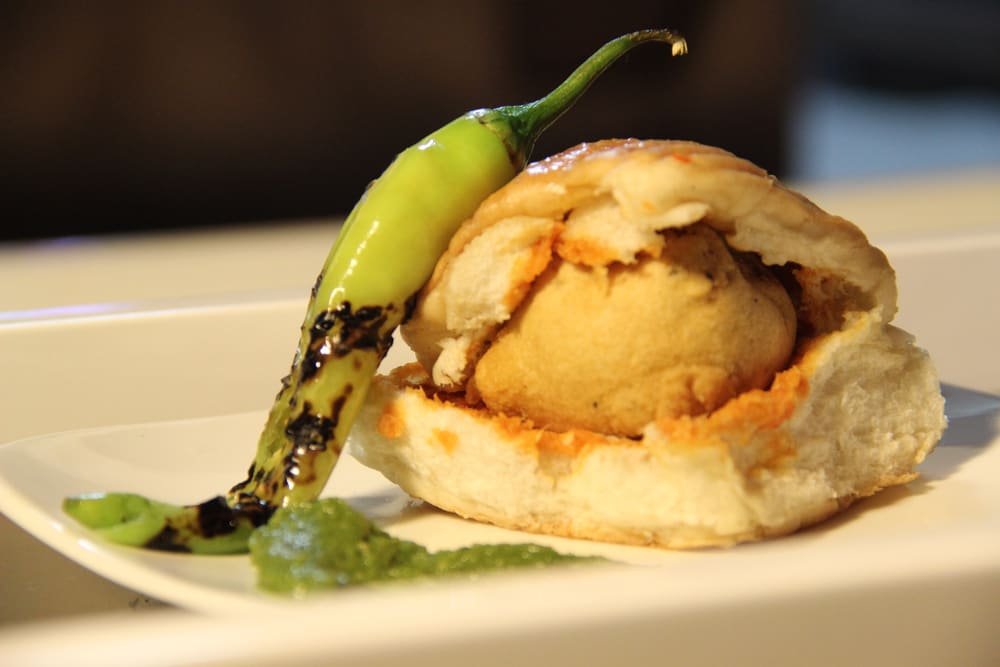
- Maharashtrian breakfast: Mama Kane’s and Shree Krishna Refreshments, above. Dadar is also known for its misal pav and sabudana vada: Aaswad near Shiv Sena Bhavan is the most popular for misal, Prakash on Gokhale Road makes its sabudana vada round (and takes cash only), and Shree Krishna Batatawada on Chhabildas Road fries batata vada all day.
- Malvani seafood: Chaitanya on Raobahadur SK Bole Road for bombil fry, crab lollipop and fish thalis, usually with a queue, and Jai Hind Lunch Home on Sayani Road for Konkan, Goan and Mangalorean seafood.
- Udupi: Udipi Refreshment, opposite the station on the east side, open from 7 AM to late.
- North Indian: Pritam Da Dhaba in Dadar East, an institution done up as a dhaba, serving until midnight.
- A sit-down cafe: Grandmama’s Cafe, a few minutes from the station, for Italian and continental food in a cosy room.
- Next door: Matunga, one station north, is the city’s South Indian breakfast quarter.
See every restaurant we list on our Dadar restaurants page.
When to come
- Any morning: for the flower market.
- Diwali: for the lantern stalls, the faral shops and the Shivaji Park lights.
- 6 December: Mahaparinirvan Din at Chaitya Bhoomi, an extraordinary and very crowded day. If you are not there to pay respects, avoid the area.
- Weekends: for cricket on Shivaji Park from early morning.
Practical notes
- The station. Dadar is one of the most crowded stations in the world at rush hour. Avoid changing trains here between 8 and 11 AM and 5 and 9 PM if you can.
- East or west. Check which side your destination is on before you leave the platform.
- Markets. Watch your phone and wallet in the crowds around the station and the flower market.
- Getting on. Bandra is three stops north on the Western line, and Siddhivinayak and Worli are a short taxi ride south.
Sources
- Wikipedia, Dadar: https://en.wikipedia.org/wiki/Dadar
- Wikipedia, Shivaji Park: https://en.wikipedia.org/wiki/Shivaji_Park
- Wikipedia, Chaitya Bhoomi: https://en.wikipedia.org/wiki/Chaitya_Bhoomi
- Wikipedia, Dadar Parsi Colony: https://en.wikipedia.org/wiki/Dadar_Parsi_Colony
- Wikipedia, Ramakant Achrekar: https://en.wikipedia.org/wiki/Ramakant_Achrekar
- Mumbai Magic on Mama Kane’s: http://mumbai-magic.blogspot.com/2016/05/mama-kanes-swachha-upahar-gruha.html
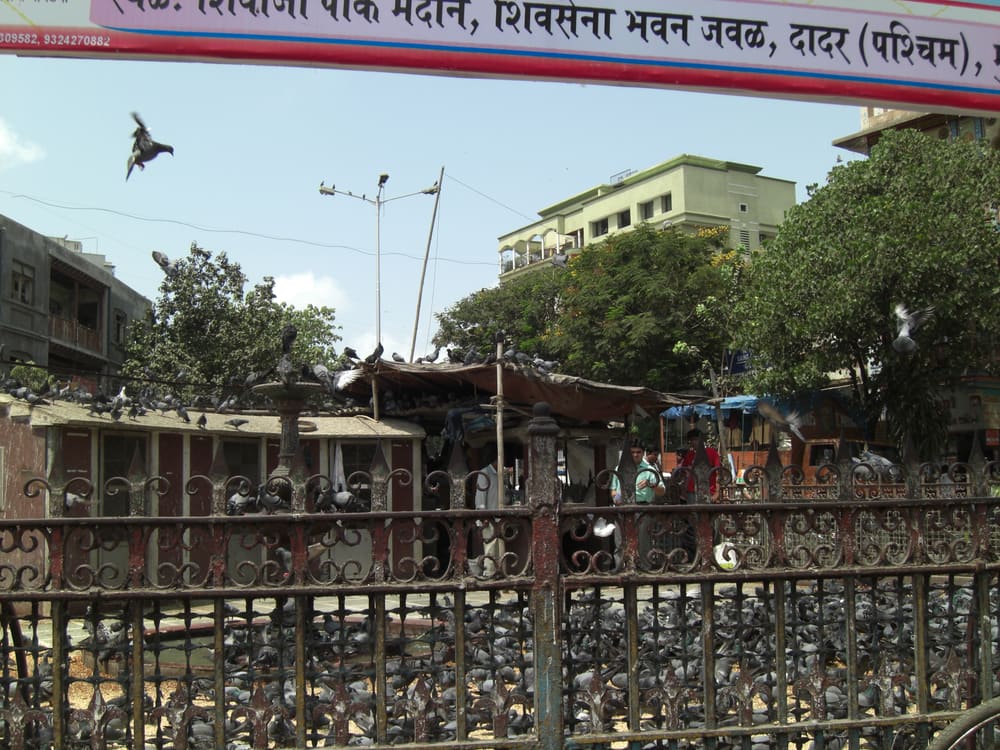
Header photo: Kabutar Khana, Dadar by Swaminathan, CC BY 2.0, via Wikimedia Commons.