Sion, Mumbai: A Neighbourhood Guide
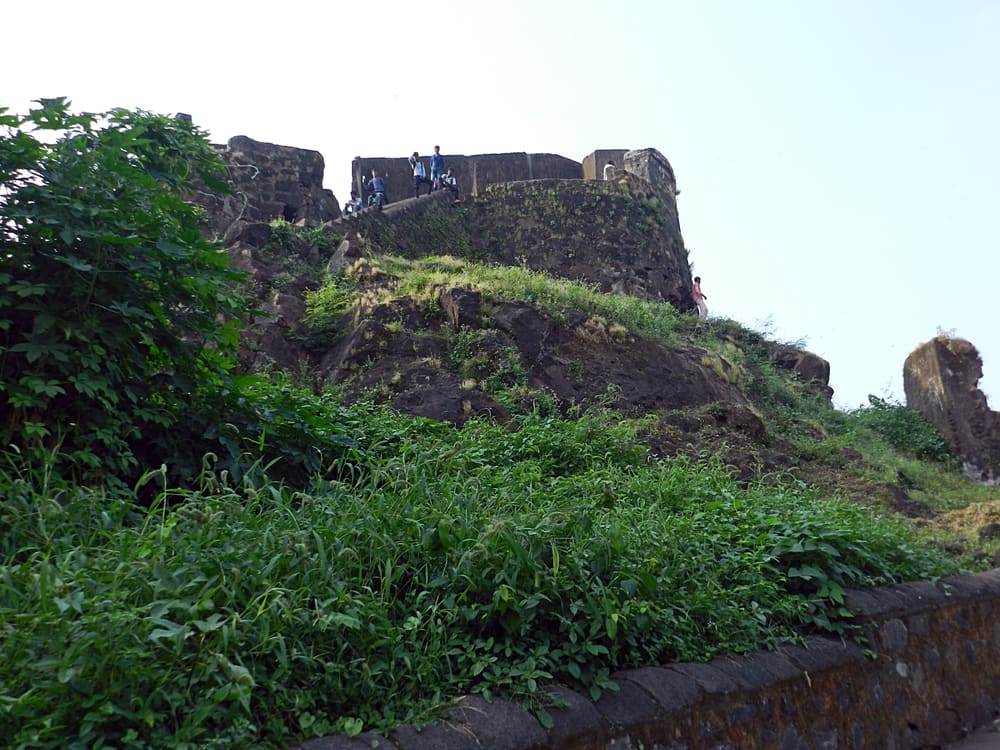
Sion is where the island city ends. Its name comes from the Marathi sheev, boundary, and for a century it was exactly that: the British built a fort on the hill here in the 1670s to watch the creek that separated their Bombay from Portuguese Salsette to the north. Today Sion is a busy junction that most people only drive through, but it has two good reasons to stop: the fort, with one of the best free views in central Mumbai, and Sion Koliwada, where Punjabi refugees settled after Partition and invented one of the city’s best-loved dishes.
The short version
- Getting there: Sion station on the Central line. For Koliwada, GTB Nagar station on the Harbour line is closer.
- Time needed: a late afternoon and an evening
- Best time: climb the fort an hour before sunset, then go to Koliwada for dinner.
- Good to know: the fort is an unrestored ruin on a hill in a public garden. Wear proper shoes, and do not expect railings.
An evening in Sion
- Sion Fort. About five minutes’ walk from Sion station, at the top of the Jawaharlal Nehru Udyan garden, is the Sion Hillock Fort, built by the East India Company between 1669 and 1677 when Gerard Aungier was governor. It stood on the frontier between British Parel island and Portuguese Salsette across the creek. It is a protected monument and a Grade I heritage structure, but what survives is a jumble of stone steps, walls and a small room on the top, overgrown with trees, with an old cannon lying near the summit. The climb through the garden takes about fifteen minutes. Go for the view, not the ruins: from the top you look out over the city and the creek to the east.
- A samosa at Gurukripa. Back down near the station, on Road No. 24 by SIES College, is Gurukripa, a Sindhi snack counter that has been central Mumbai’s reference point for samosas for decades. Eat standing up, with chutney and chole.
- Sion Koliwada. A short auto ride south is Guru Tegh Bahadur Nagar, known to everyone as Sion Koliwada. It was a Koli fishing settlement until Partition, when a colony was set up here for Sikh and Hindu refugees from the North-West Frontier Province, now in Pakistan. They stayed, and the area is now a Punjabi neighbourhood with seven gurdwaras, among them Gurdwara Dashmesh Darbar on JK Bhasin Marg. Visitors are welcome at gurdwaras: cover your head, take off your shoes, and you may be offered langar, the free community meal.
- Dinner in Koliwada. This is where prawns koliwada comes from: prawns or fish in a spiced batter, fried crisp and eaten with onions and green chutney. The food writer Kalyan Karmakar credits it to Hukumchand Singh Julka, who came from Hazara in the north-west after Partition and named both his restaurant and the dish after where he had been and where he had landed. That restaurant, Hazara, is still trading on the same corner. A few doors away, Hardeep Punjab has served big portions of tandoori on the same strip for about 35 years, until 1:30 AM.
Where to eat
- Hazara Restaurant & Bar: the home of prawns koliwada, with North Indian and Mughlai food and a full bar.
- Hardeep Punjab: tandoori and Punjabi food, open late, with parking.
- Gurukripa: samosas and Sindhi snacks, 8 AM to 11 PM.
- Sion Lunch Home: a ten-table Mangalorean and Malvani seafood room near the station. It shuts between 4 and 7 PM.
- Peninsula: a vegetarian restaurant in Sion East for Punjabi and Chinese food.
See every restaurant we list here on our Sion restaurants page.
Practical notes
- Autos and taxis: Sion is roughly where autos stop, so both work around here. Taxis are the only option heading south.
- Rain: King’s Circle, just south, is one of the low-lying spots that flood in heavy monsoon rain. Avoid the area on red-alert days.
- Getting on: Matunga, with its South Indian breakfast trail, is one stop south, and BKC and the Maharashtra Nature Park are a short taxi ride west.
Sources
- Wikipedia, Sion Hillock Fort: https://en.wikipedia.org/wiki/Sion_Hillock_Fort
- Wikipedia, Sion, Mumbai: https://en.wikipedia.org/wiki/Sion,_Mumbai
- Wikipedia, Guru Tegh Bahadur Nagar, Mumbai: https://en.wikipedia.org/wiki/Guru_Tegh_Bahadur_Nagar,_Mumbai
- Kalyan Karmakar, Finely Chopped, on the Punjabi origins of prawn koliwada, November 2020: https://finelychopped.net/mumbais-iconic-dish-of-prawn-or-fish-koliwadi-is-rather-punjabi-at-heart/
Header photo: Sion Fort by Jawahar Soneji, CC BY-SA 4.0, via Wikimedia Commons.