Mumbai Etiquette and Safety: What First-Time Visitors Should Know
Mumbai is big, dense and loud, and it is also, by the standards of cities its size anywhere, safe, welcoming and easy to be a stranger in. People will help you with directions, tell you which train to take, and ask where you’re from. What follows is less a list of warnings than a set of local habits worth adopting.
Dress
Mumbai is the most cosmopolitan city in India and dress codes are relaxed by Indian standards; in Bandra or Lower Parel you’ll see everything. The exceptions are religious sites, where modesty is expected of everyone:
- Shoulders and knees covered at temples, mosques, churches and shrines. A light scarf in your bag solves most situations.
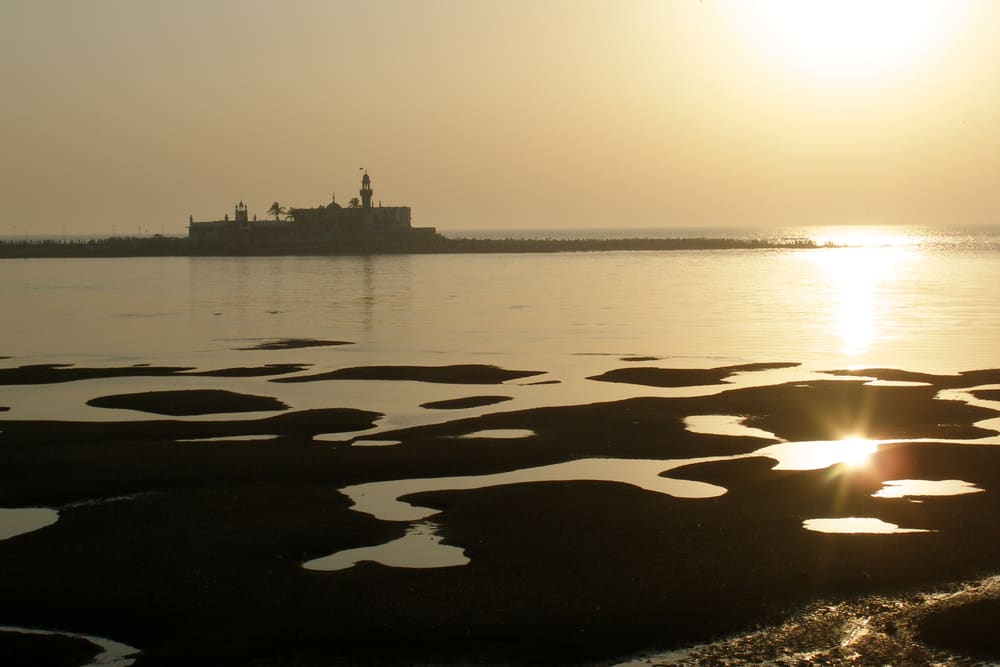
- Shoes off at temples, the Haji Ali Dargah and inside homes. Socks are fine.
- Head covered at Haji Ali and other mosques: a scarf for women, and men are usually given a cap.
- Some Jain temples ask visitors not to bring leather inside.
In the heat, light cotton wins over synthetics every time, and a hat is not an affectation.
At temples and shrines
Enter with your right foot, walk clockwise around the shrine, and don’t point your feet at the idol when sitting. Photography is often prohibited inside: look for the sign, or ask. Donations go in the box, not to the priest. At Siddhivinayak and Mumbadevi, phones and bags go into lockers at the entrance; carry little. At Haji Ali, the causeway floods at high tide, so check the timing.
Photographs
Mumbai is photogenic and most people are happy to be photographed, but ask first. A gesture with the camera and a smile is enough. Expect a no at the Dhobi Ghat if you’re standing inside rather than on the bridge. Don’t photograph the naval installations along the Colaba waterfront, the airport, or anything with a uniformed guard and a “no photography” sign. Drone flying requires permission you almost certainly don’t have.
Trains, crowds and pockets
Mumbai’s petty crime is mostly opportunistic and mostly on crowded trains and in markets. Keep your phone in a front pocket, your bag zipped and in front of you, and nothing valuable in a back pocket. On the local trains, use the ladies’ coaches if you’re a woman travelling alone, avoid the rush-hour crush entirely, and don’t board or leave a moving train no matter how many locals do. Late at night, choose a coach with other people in it.
Solo and women travellers
Women travel alone in Mumbai constantly, and it is one of the easier Indian cities for it. The usual measures apply: ladies’ coaches on trains, Uber over a hailed taxi after dark, a firm “no” to unwanted attention, and the knowledge that a crowd of Mumbaikars will take your side in a confrontation. Bandra, Colaba, Fort and Marine Drive are busy and well-lit until late. Our solo travel guide has much more, including the 103 helpline for women.
Water, food and health
Drink bottled or filtered water, which every restaurant will bring, and skip ice at street stalls. Street food is one of the city’s glories; the rule is to eat where the queue is, from stalls that cook to order, and to avoid anything that has been sitting. Pharmacies (“chemists”) are everywhere and well stocked; carry your own prescription medication. Good private hospitals such as Breach Candy, Lilavati, Jaslok and Hinduja are used to foreign patients, and travel insurance is advisable.
Monsoon sense
From June to September: waterproof your phone, wear shoes you can get wet, keep away from the sea wall at high tide, and treat any flooded street as deeper than it looks. When the rain is very heavy, stay where you are for an hour rather than pushing on; the city stops and restarts.
Alcohol and smoking
Bars and restaurants serve alcohol freely. The legal age is 21 for beer and wine and 25 for spirits in Maharashtra, occasionally checked. A few dry days a year, Independence Day, Republic Day, Gandhi Jayanti and some election days, close the bars. Smoking in public places is banned and enforced with fines in some areas; hotels have designated zones.
Small courtesies
- Right hand for eating, giving and receiving; the left is considered unclean.
- “Namaste” with joined palms works everywhere; a handshake is normal in business and among younger people.
- Remove shoes when entering someone’s home.
- Bargain in markets, never in shops or at food stalls.
- Plastic carrier bags are banned in Maharashtra; bring a tote for the markets.
If something goes wrong
- 112, the all-services emergency number
- 100, police; 101, fire; 108, ambulance
- For theft on a train, go to the Government Railway Police (GRP) post at the station; for anything else, the nearest police station
- Your consulate: most are in South Mumbai or BKC; keep a photo of your passport on your phone and the original in the hotel safe
The honest summary: Mumbai asks you to be sensible, not fearful. Watch your pockets on the train, dress for the temple, eat where the locals eat, and the city will look after you.