Dadar Market: A Shopping Guide to Saris, Fabric and the Flower Market
Dadar is where much of Mumbai buys its saris, wedding clothes, fabric and flowers. The shopping is split by the railway station: the sari and clothes shops of Ranade Road and Kelkar Road, and the flower market, are on the west side; the big Hindmata cloth market is to the south-east. This guide covers what each part sells, when it is open, and how to get around. We checked the shops’ hours on Google Maps in November 2026.
At a glance
| Market | Side | What it sells | Hours |
|---|---|---|---|
| Ranade Road and N. C. Kelkar Marg | West | Saris, wedding and festive clothes, jewellery, sweets | Most shops about 10:30 AM to 8:30 PM; many closed on Mondays |
| Dadar flower market | West, by the station | Wholesale flowers, garlands, leaves | From about 4 AM; most of the trade is done by 7:30 AM |
| New Hindmata Cloth Market | East, on Dr Babasaheb Ambedkar Road | Fabric by the metre, dress material, saris | Google Maps lists 10 AM to 10 PM daily; one guide says it closes on Mondays |
Getting there
Dadar station is on both the Western and Central lines, and Metro Line 3 also has a Dadar station. The station divides the area into east and west, and crossing it takes longer than it looks, so check which side you need before you arrive. The shops of Ranade Road and Kelkar Road are a short walk west of the station.
Saris and wedding clothes: Ranade Road and Kelkar Road
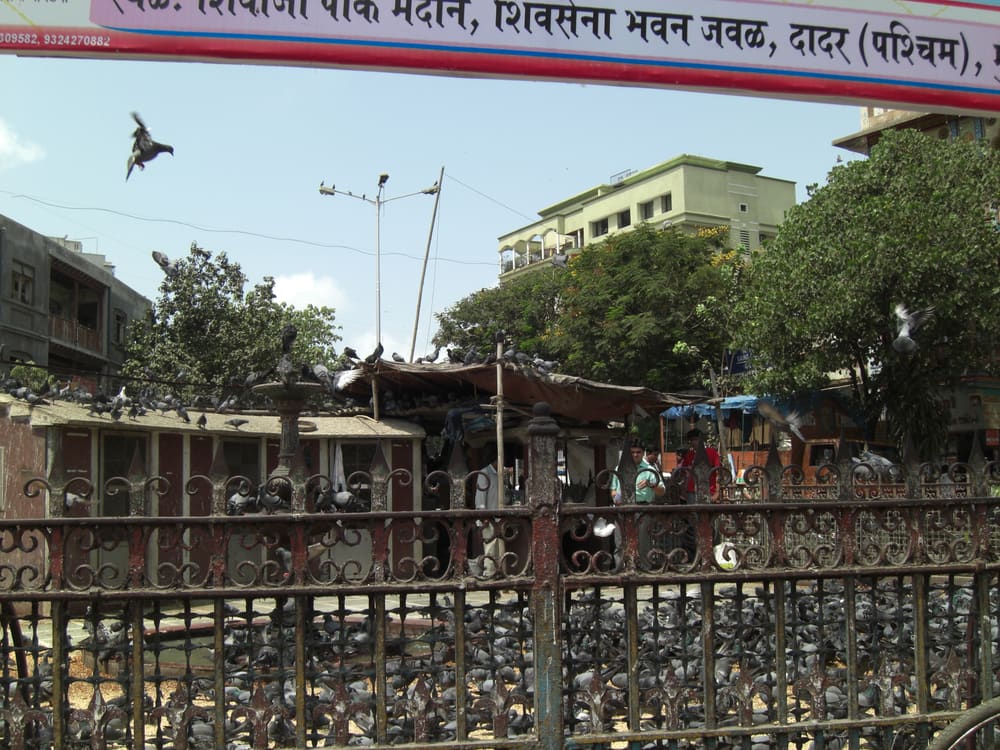
Dadar West’s two main shopping streets, Ranade Road and N. C. Kelkar Marg, meet near Kabutar Khana, and the lanes around them are lined with sari and clothing shops, jewellers and sweet shops. Some long-established names:
- Dadar Emporium, on N. C. Kelkar Marg, for saris and festive wear.
- Roop Sangam, on N. C. Kelkar Marg near Kabutar Khana, for saris. Closed on Mondays.
- Rane’s Paithani, at the Ranade Road and Kelkar Road junction, which specialises in the Paithani, Maharashtra’s handwoven silk sari, known for its rich borders and pallu, often with peacock motifs. Genuine handwoven Paithanis can cost tens of thousands of rupees, and machine-made versions much less, so ask which you are looking at.
All three keep roughly 10:30 AM to 8:30 PM. Many Dadar West shops close on Mondays, so go from Tuesday to Sunday. The established shops have fixed prices; the street stalls in between expect you to bargain.
The flower market
Next to Dadar station, under and around the flyover, the city’s main flower market starts unloading at around 4 AM, and by 7:30 most of the wholesale trade is done. Walk through the lanes of marigold, tuberose, roses and mango leaves while porters run past with baskets on their heads. The floor is wet and the lanes are tight, so wear shoes you do not mind getting dirty and keep to the side.
Fabric: Hindmata
The New Hindmata Cloth Market, on Dr Babasaheb Ambedkar Road in Dadar East, is one of the city’s biggest fabric markets, selling dress material and fabric by the metre, much of it wholesale. It is the place to buy fabric for a tailor to stitch. Listings disagree on whether it closes on Mondays, so a weekday from Tuesday is the safe choice. In the monsoon, the Hindmata junction nearby floods almost every year, so avoid heavy-rain days.
Where to eat
Dadar is known for Maharashtrian vegetarian food. Mama Kane’s, outside the station since 1910, Aaswad for misal pav, and Shree Krishna Batatawada for batata vada are all close to the shops. Every place we list is on our Dadar restaurants page, and our vada pav guide includes Ashok Vada Pav near Kirti College.
Good to know
- Go early or late on weekends, when the lanes are packed.
- Mind your bag and phone in the crowds.
- Combine it with Shivaji Park and the seafront, or the Siddhivinayak Temple in Prabhadevi, about 2 km south.
- For other markets, from Crawford Market to Colaba Causeway, see our shopping guide.
Sources
- Google Maps listings for Dadar Emporium, Roop Sangam, Rane’s Paithani, New Hindmata Cloth Market and the Dadar flower market, checked 17 November 2026
- LBB, wedding fabric stores in Mumbai: https://lbb.in/mumbai/wedding-fabric-stores-in-mumbai
- Mumbai Metro Route, Hindmata Market and Dadar flower market (hours): https://mumbaimetroroute.com/places/hindmata-market-dadar
- Wholesale Catalogz, New Hindmata Cloth Market: https://www.wholesalecatalogz.com/textile-directory/market/new-hindmata-cloth-market
- Aryan Age, monsoon checks at Hindmata and other flood spots, June 2026: https://www.aryanage.com/article/38023/mumbai-mayor-leads-monsoon-preparedness-drive-across-flood-prone-zones-as
Header photo: Dadar, Mumbai, via Wikimedia Commons.